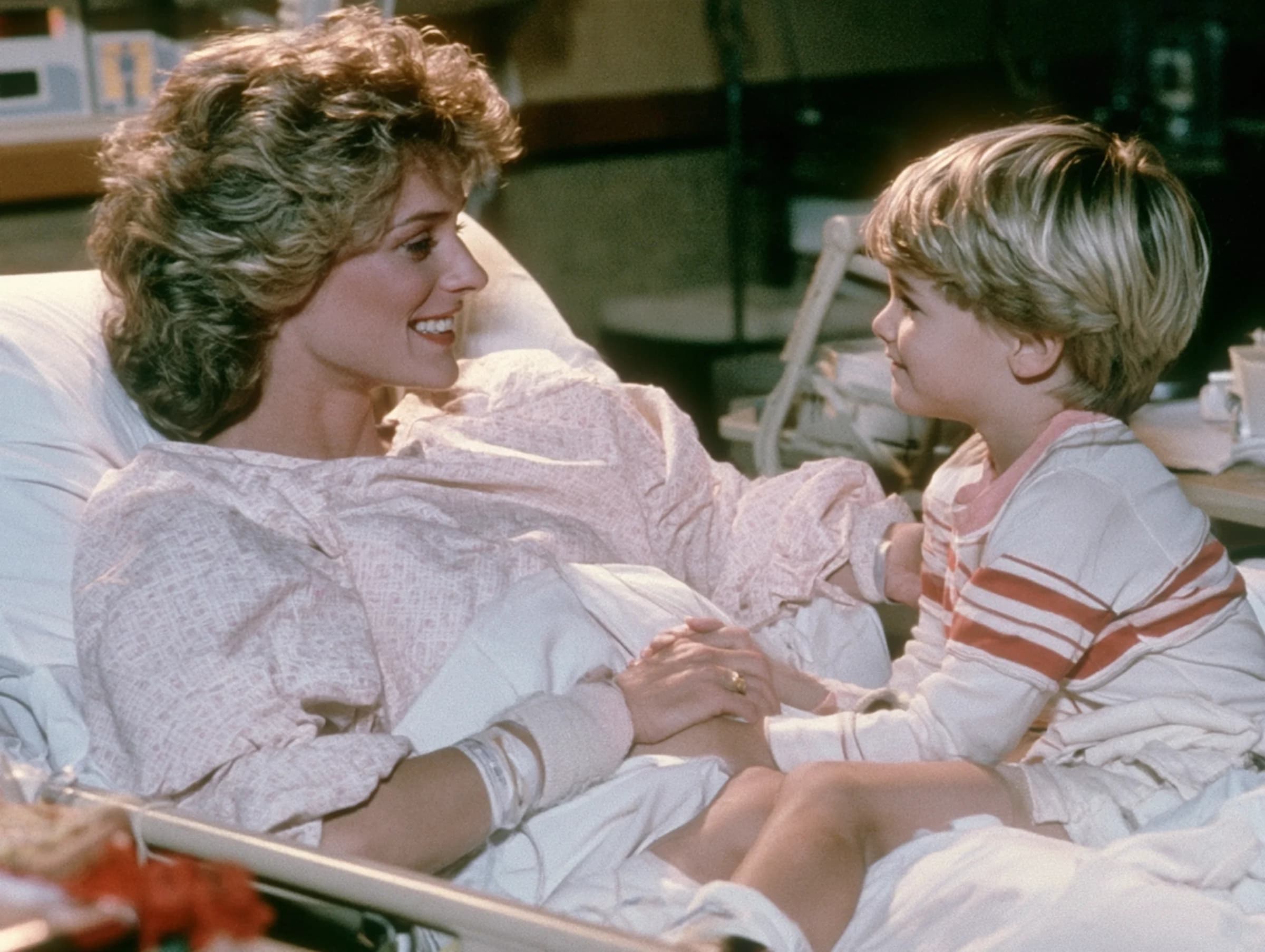
A parent, a sibling, a partner stands in a hospital hallway guessing what you would have wanted. No notes. No memory of you ever saying it out loud. They have to decide anyway, because someone has to and the hospital needs an answer now, not next week.
That's the scenario advance care planning exists to prevent. It isn't an old person's scenario, however the paperwork gets marketed. The healthiest, youngest person on earth does themselves and their family a disservice by skipping an ACP. Getting one has only benefits. Not having one has only downsides.
Unintentional Injury Is the Leading Cause of Death for Young Adults
Unintentional injury is the leading cause of death for Americans age 1 to 44. It accounts for 44.1 percent of all deaths among people age 20 to 24, according to CDC data for 2022. The statistical risk runs almost exactly backwards from where advance care planning gets aimed.
This age group carries the real exposure to sudden, catastrophic, unplanned events. Meanwhile the paperwork keeps getting framed as something for later, once you're older, once something's actually wrong. The data doesn't support that framing.
Sudden Illness and Accidents Give Young People No Warning
A friend of mine was diagnosed with colon cancer at 25. Another has been a paraplegic since a car accident in her twenties, unable to communicate, still alive decades later. Neither had any warning before the day their life changed completely.
Add what's circulating in the drug supply right now. The CDC recorded roughly 79,000 overdose deaths in the US in 2024, with fentanyl involved in most of the opioid deaths among them. Being 24 and healthy has never been protection. It's only been a reason to assume, wrongly, that you still have time.
College-Aged Adults Complete Advance Directives at the Lowest Rate
A 2025 Florida Atlantic University study found college-aged adults complete advance directives at a lower rate than the general adult population, which itself sits around a third. That gap doesn't disappear. Someone else fills it at the worst possible moment: a parent or partner in a hospital hallway, guessing, with no documentation and no memory of a real conversation to lean on.
Starting an ACP Takes One Honest Conversation
You need one honest conversation with one person. What would you want if something happened tomorrow? What would you regret enduring more than you'd regret missing? That's an hour of real thought. Not a law degree. Not a lifetime of preparation.
Once you know what you want and you've said it out loud to someone who'll remember it, the paperwork takes twenty minutes. The barrier was never time. It was the belief that this kind of planning belongs to someone older than you. Do it this week. Start with the five discovery questions.
I'm developing a guided Advance Care Planning course built around exactly this process. It isn't available yet. An introductory consultation is open now for anyone who wants to start sooner. Reach me through my profile.
Sources cited
- CDC National Center for Health Statistics, Deaths: Leading Causes for 2022, National Vital Statistics Reports, December 2024
- CDC WISQARS, 10 Leading Causes of Death by Age Group, United States, 2022
- Giovanetti, Florida Atlantic University, 2025, From Awareness to Action: Improving Advanced Directives with the Five Wishes in College Aged Young Adults
- CDC provisional drug overdose data, 2024, reported via KFF