Skip to content
Otherside Life
The Library/Long-Form/Having Uncomfortable ConversationsSeptember 29, 2026

The Library · Long-Form · 2 min read

How to Ask an Aging Relative About Their Life Without Making It Awkward

Questions that ask about a life, not a death. A death doula's practical guide to getting aging parents and grandparents talking without it feeling morbid.

By Michael Hawley · September 29, 2026

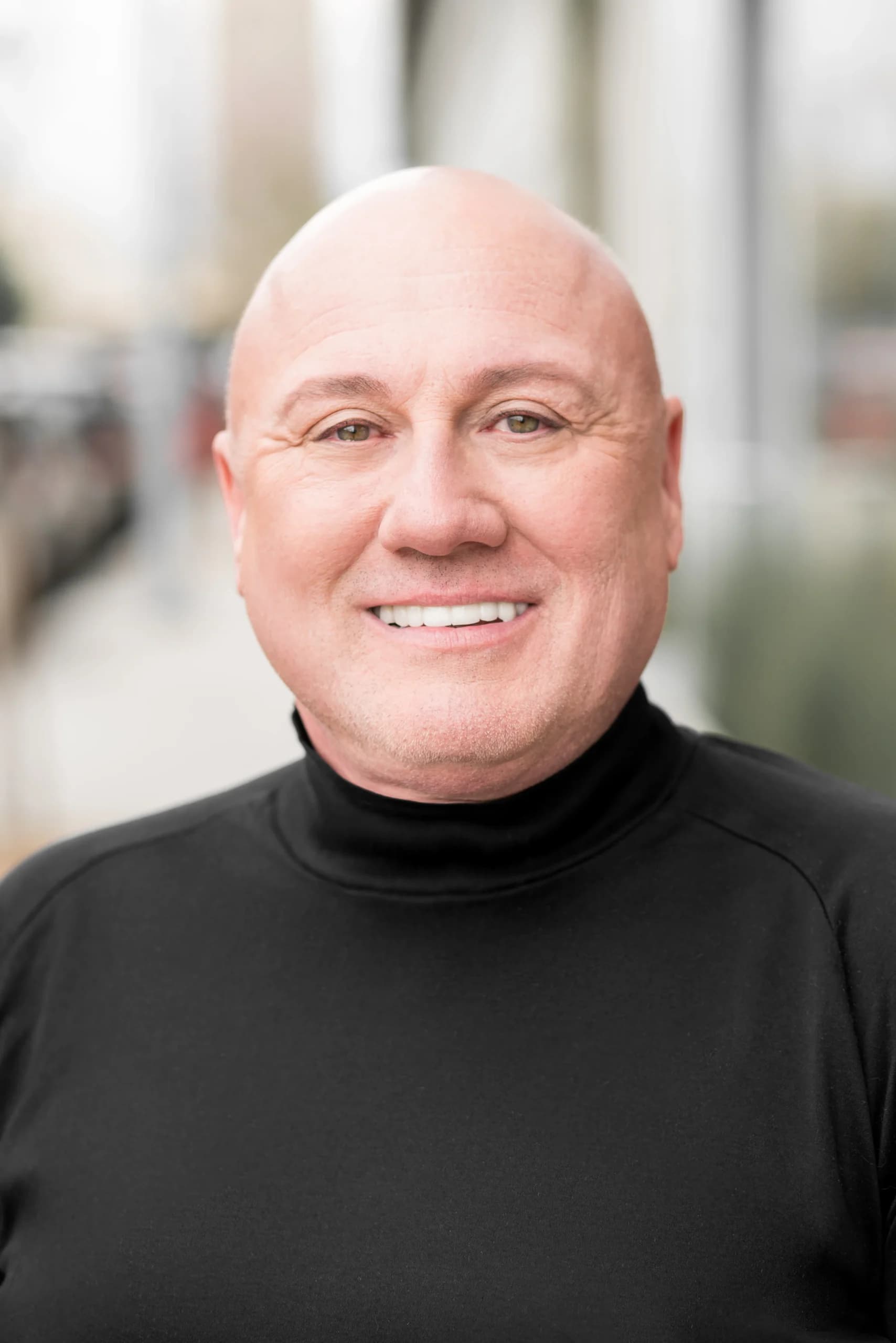
Michael HawleyMichael HawleyDeath DoulaSeptember 29, 20262 min read

TL;DR

2 min read · Long-form
  • More than two thirds of adults regret not talking to their grandparents about their lives before they passed.
  • Casual, ordinary curiosity beats a formal sit-down. None of the questions need to mention death.
  • Start with the smallest question and hit record on your phone.
On this page

Most adults can name the exact conversation they meant to have with a grandparent and never did. The one question they kept meaning to ask. They waited for a better moment, and it never came before it was too late.

You can ask an aging relative about their life without making it feel like you're planning for their death. Here's how.

More Than Two-Thirds of Adults Regret Not Asking

More than two thirds of adults regret not talking to their grandparents about their lives and memories before they passed, according to a UK survey by SSAFA, the Armed Forces charity. The regret I just described isn't a rare, personal failing. It's close to the default experience.

Ordinary Curiosity Beats a Formal Sit-Down

Here are questions I actually use, in casual conversation, not a planned interview:

  • What was that like for you, when it happened?
  • Who are the people who show up at holidays that I don't see any other time, and how are we actually connected to them?
  • What's something you never told anyone, and why not?

None of them mention death or dying. They're questions about a life, asked by someone who wants to know the answer.

Start With the Smallest Question

Meet people where they are, not where you wish they were. Start with the easiest, least loaded question, not the heaviest one you want answered. Listen to what they don't say as closely as what they do. The gaps and pauses carry as much information as the words.

Let the small questions earn the trust the bigger ones will need.

Hit Record on Your Phone

A voice memo on your phone during an ordinary conversation captures what matters just as well as any formal setup. Stories get lost for one mundane reason: nobody asked, and nobody hit record. It's not that the technology wasn't good enough or the moment wasn't important enough.

Here's why every family needs someone doing this.

Sources cited

Otherside Life · The LibraryEnd

Common questions

What questions should I ask an aging relative about their life?
Ask about the life, not the ending. What was that like for you, when it happened? Who are the people who show up at holidays that I don't see any other time, and how are we connected to them? What's something you never told anyone, and why not?
How do I ask my grandparents about their life without it feeling morbid?
Use ordinary curiosity instead of a formal sit-down. The questions don't mention death or dying at all. They're questions about a life, asked by someone who genuinely wants to know the answer.
Do people regret not asking their grandparents more?
Yes. More than two thirds of adults regret not talking to their grandparents about their lives and memories before they passed, according to a UK survey by SSAFA, the Armed Forces charity. It's close to the default experience.
What's the easiest way to record a relative's stories?
A voice memo on your phone, during an ordinary conversation. It captures what matters just as well as a formal setup. Stories get lost because nobody asked and nobody hit record.

From this series

Having Uncomfortable Conversations

Advance directives, caregiver burnout, a parent’s stories, a coworker’s loss: death doula Michael Hawley keeps finding the same missing piece under all of it, the conversation nobody modeled how to have. Start with why that silence costs so much, then go deep on advance care planning, caregiving and dementia grief, capturing family legacy, and building death literacy in your workplace and community.

Filed under

Written by
Michael Hawley
Focus
Grief, Families

Michael Hawley

Death Doula

Walking alongside the dying since the AIDS crisis in San Francisco. Committed to one thing: that no one dies alone, and no family is left without a guide.

Otherside Life coordinates; care is provided by the practitioner. Coordination only. Not legal, tax, financial, medical advice or funeral services.