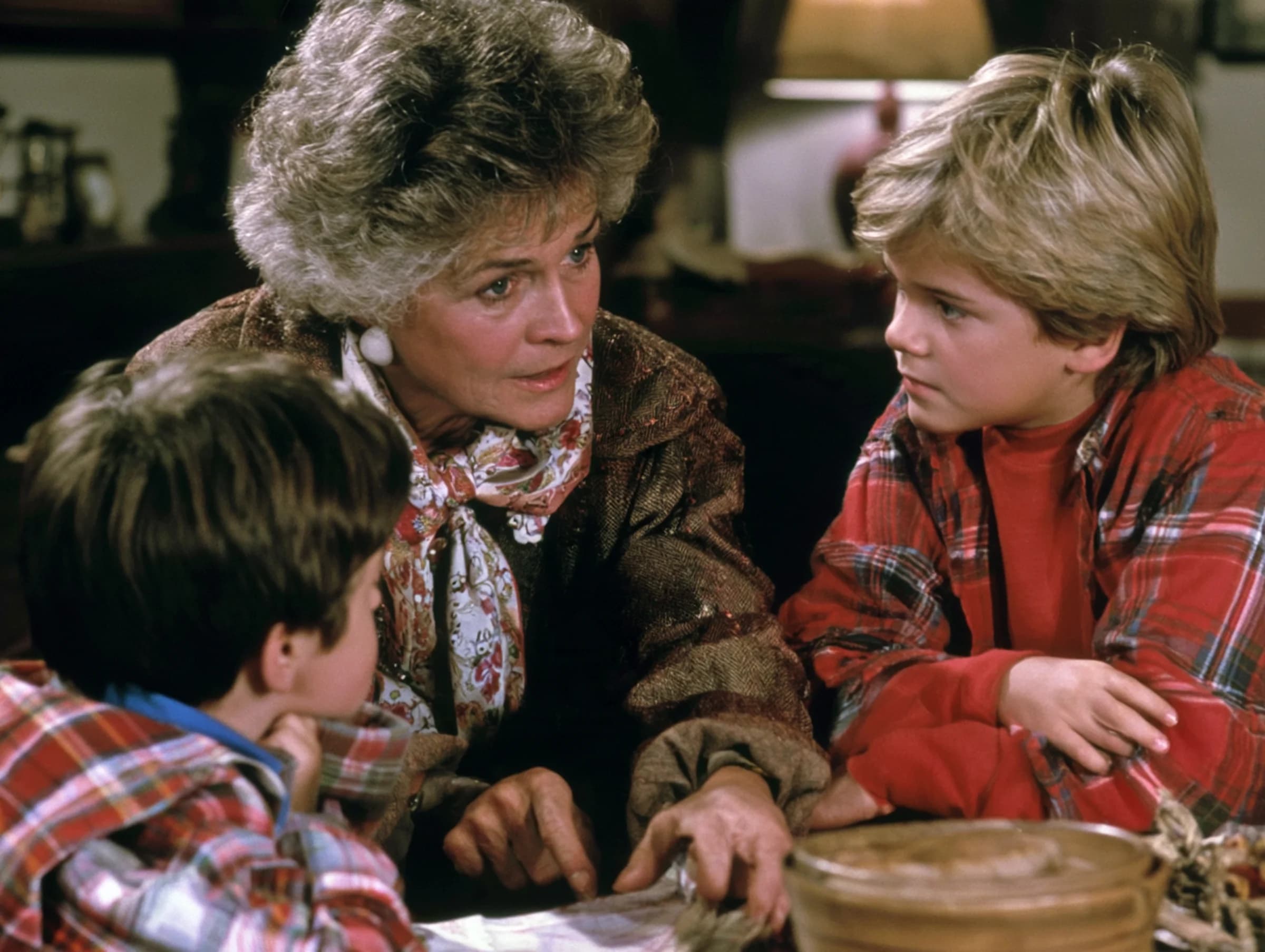

Every family has someone who fields the calls. Who was that? How are we related? What actually happened back then? Most families don't notice the role exists until the person filling it is gone and the calls have nowhere left to go.
Being the family storykeeper is an honor. Everyone should take it up, especially if your family doesn't already have one.
Every Family Benefits From an Unofficial Historian
I'm the person my cousins call when they want to know how something happened or who someone was. Nobody appointed me. I asked questions as a kid and kept asking as an adult, long after most people stop being curious about the relatives who show up at holidays.
Genealogy Is Mainstream Now
Ancestry's own 2025 impact report counts more than 3.8 million subscribers, more than 29 million DNA customers and more than 145 million family trees. That's well past hobby status and closer to a mainstream expectation.
With all that database growth, a living relative still adds something no amount of data can.
Records Stop. Living Memory Doesn't Have To.
A record gives you a name and a date. Nothing more. A living relative gives you what that person was actually like, the texture and detail no document was designed to hold. That's why the conversation carries so much more weight than another archive search. Here's how to capture it before it's lost.
Claim the Storykeeper Role on Purpose
If you're the one asking these questions in your family, you're probably already the storykeeper, whether or not you've claimed the title out loud. Claim it on purpose.
An unclaimed role is easy for a family to lose entirely when the person filling it informally is gone.
Sources cited
- Ancestry, 2025 Impact Report