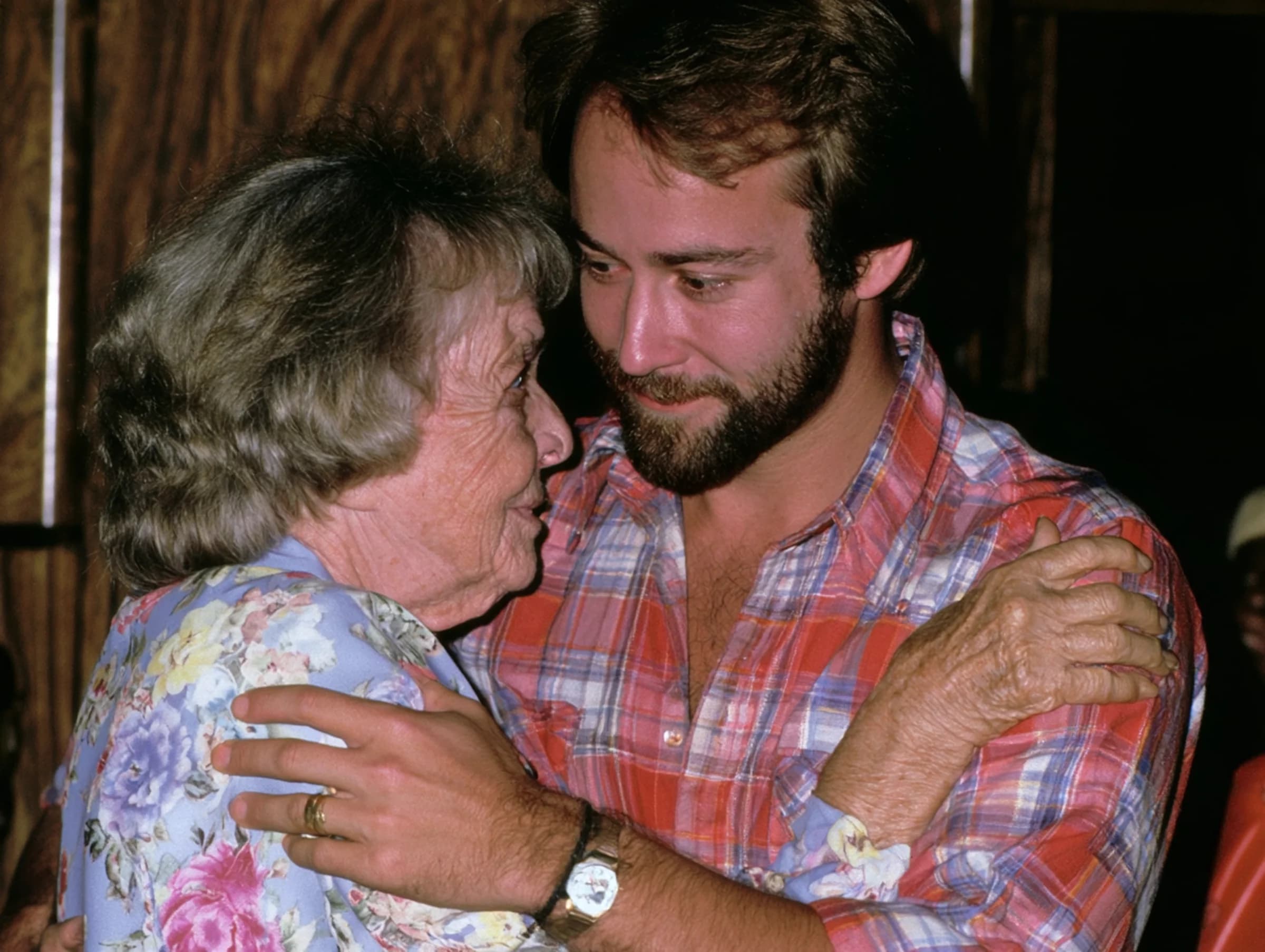

My mother looked at me in a rehab center and said she didn't know who she was or why she was there. I had about three seconds to decide how to respond before my own reaction became part of the problem or part of the help.
Stay calm. When someone with dementia is confused, calm is the best thing you can give them, and you can do it.
Confusion Episodes Follow a Decline You Can Usually See Coming
A fall broke her hip and started her decline. One day I walked into her rehab room and she told me she was confused. She didn't know who she was or why she was there. The moment felt sudden in the room. Looking back at the pattern, it wasn't.
Anticipating that this will happen, instead of being ambushed every time, is most of the work. It happens long before the moment itself.
Underneath the Confusion Is One Question: Am I Safe?
I told her plainly: you're my mother, you're here because you broke your hip, and I've always watched and always listened, so there's nothing about your life I can't tell you if you want to know it.
The words sounded existential and frightening. Underneath them she was asking something simpler. Am I safe right now? Does someone here still know who I am? Answering calmly and specifically mattered far more than answering philosophically.
Concrete Facts Calm Someone Faster Than Reassurance
I gave her the concrete facts of her situation, calmly and specifically, instead of reassurance in the abstract. Repeat those same facts as many times as needed. It feels repetitive to the person saying them. It's doing the real work.
Steady delivery matters more than any particular phrasing. Underneath the words, you're communicating that someone is still here and still paying attention.
Line Up Your Own Support Before the Crisis
You can be a steadier presence for someone else when your own support is already in place: a therapist, another family member on rotation, a doula. Set it up before the crisis hits, not in the middle of one when everyone is overwhelmed.
It's the same work as anticipating the confusion episodes. Both are preparing for something you know is likely to come instead of reacting to it cold. More on the grief that comes with dementia.