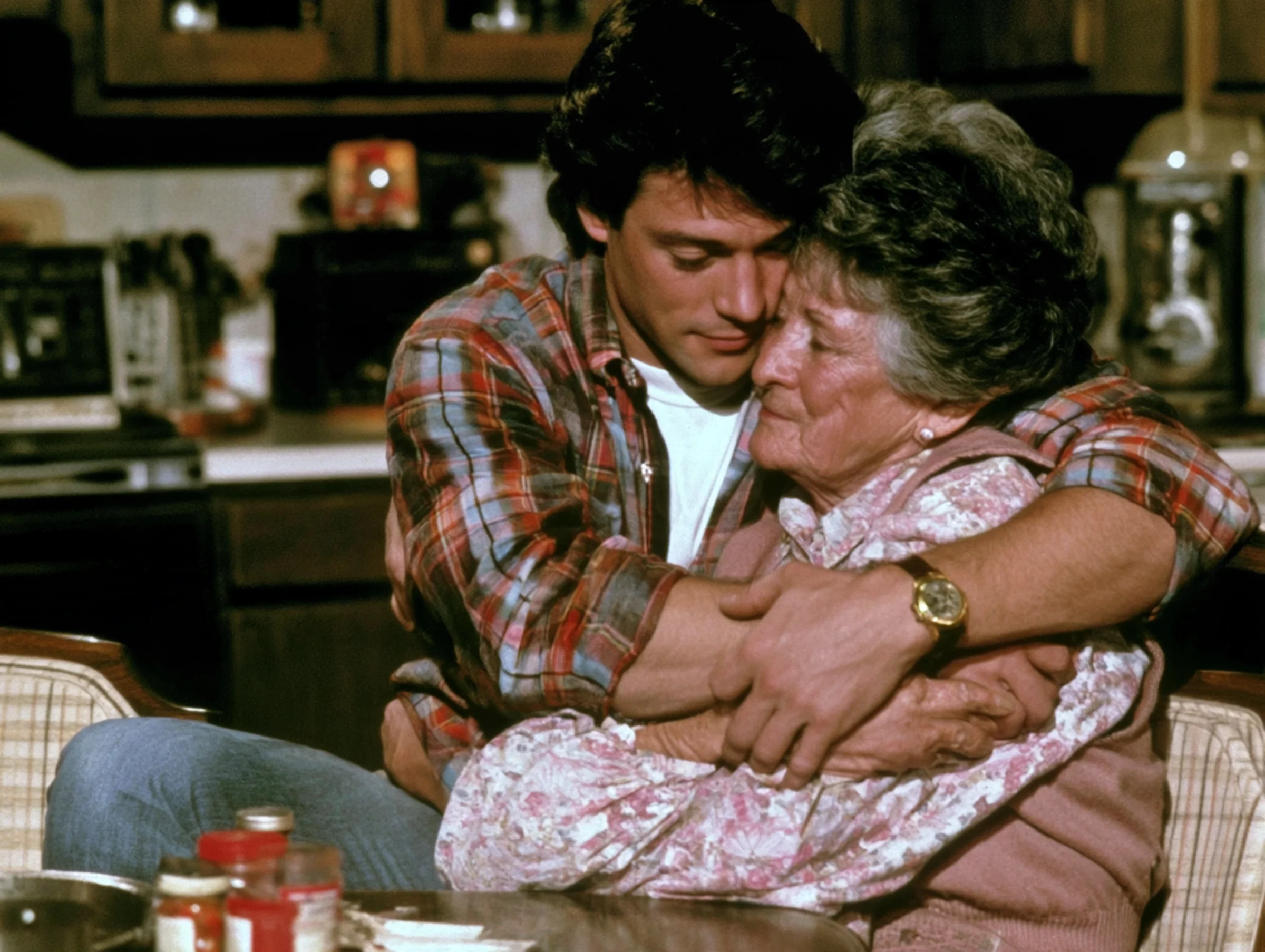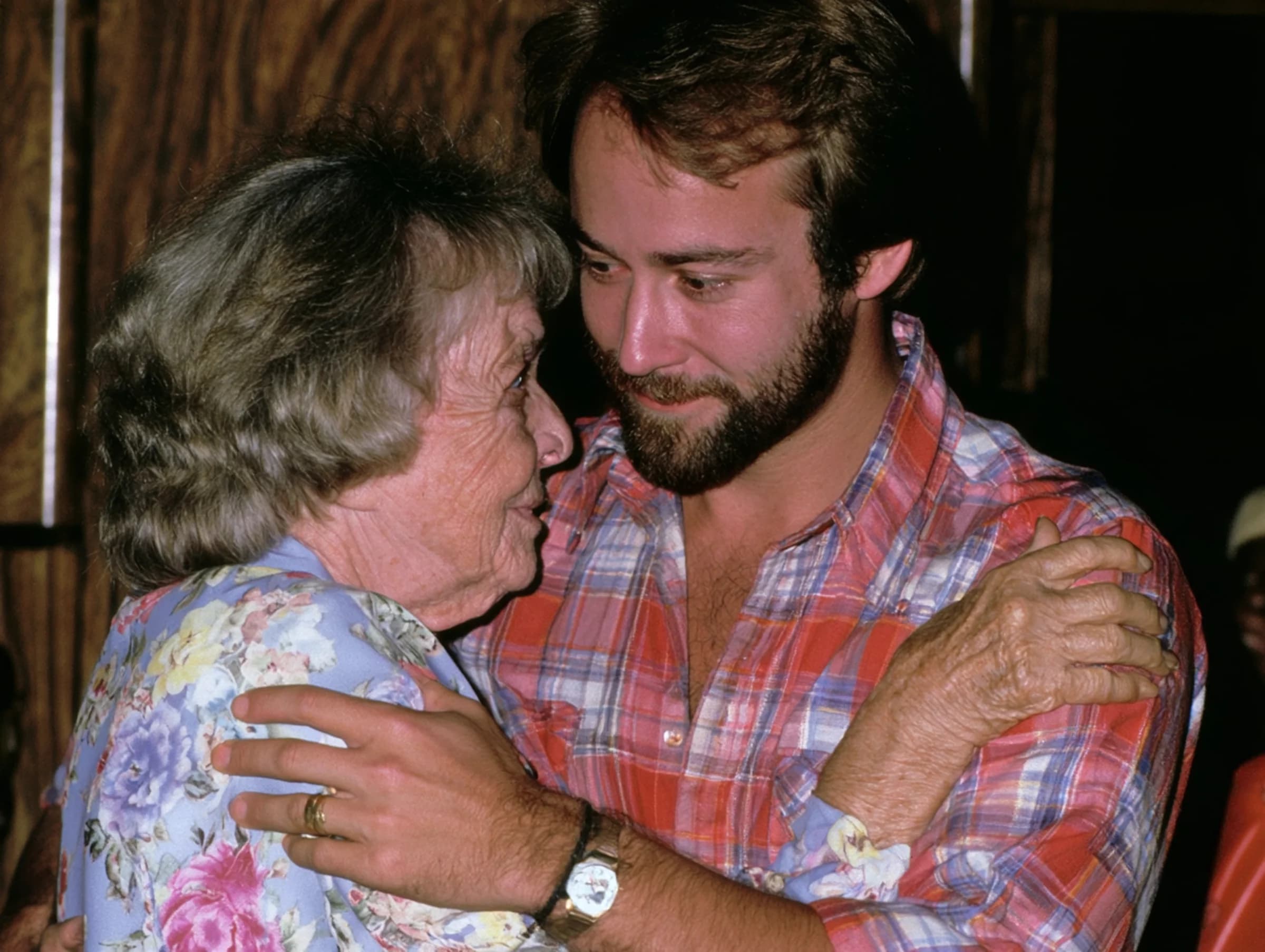

Caregiving used to come with a neighbor checking in, a sibling splitting the load, a community quietly absorbing part of the weight. Increasingly it comes down to one person, alone, logging hours nobody else sees or tracks.
It's okay to feel resentful. Don't invalidate that feeling. Acknowledge it. That's the healthy choice.
63 Million Family Caregivers, Carrying More Than a Decade Ago
There are 63 million family caregivers in the US in 2025, a 45 percent increase since 2015. The AARP and National Alliance for Caregiving 2025 report found they disproportionately endure poor health, financial strain and isolation, all three compounding over time.
Caregiving has grown faster than the support built around it. More people are doing this work with less infrastructure behind them than caregivers had a decade ago, not more.
Resentment Shows Up When Demand Outpaces Support
I have a client caring for her husband through three years of stroke rehabilitation. Underneath her frustration is a feeling she's named out loud: I'm in this by myself. I told her plainly that her commitment to him is clear. Resentment after caring for someone at that level, over that much time, is completely normal.
It isn't a judgment on the relationship. It's a signal that the demand has outpaced whatever support exists around it.
Stacked Caregiving Carries a Different Weight
Another client of mine cared for her mother through Alzheimer's, then an aunt everyone else had abandoned. Now she has a husband with stage four kidney cancer. Roughly five years, back to back, with barely a gap to catch her breath.
That calls for its own kind of support, distinct from the stroke caregiver's sustained, single-relationship intensity. Compounding loss without recovery time wears on a person differently than one long, difficult situation does. More on the full picture of caregiver burnout.
Talk to Someone Who Won't Flinch
Talk to a doula, a therapist, anyone who won't flinch when you say the quiet part out loud. I feel this too. When I sense my contribution isn't making a difference to the person I'm caring for, I get frustrated, same as anyone would.
I've made peace with showing up imperfectly on some days rather than not showing up at all. That peace came from saying the frustration out loud instead of carrying it silently as proof I was failing.
Sources cited
- AARP and National Alliance for Caregiving, Caregiving in the US 2025
- AARP and National Alliance for Caregiving, Caregiving in the US 2025 executive summary