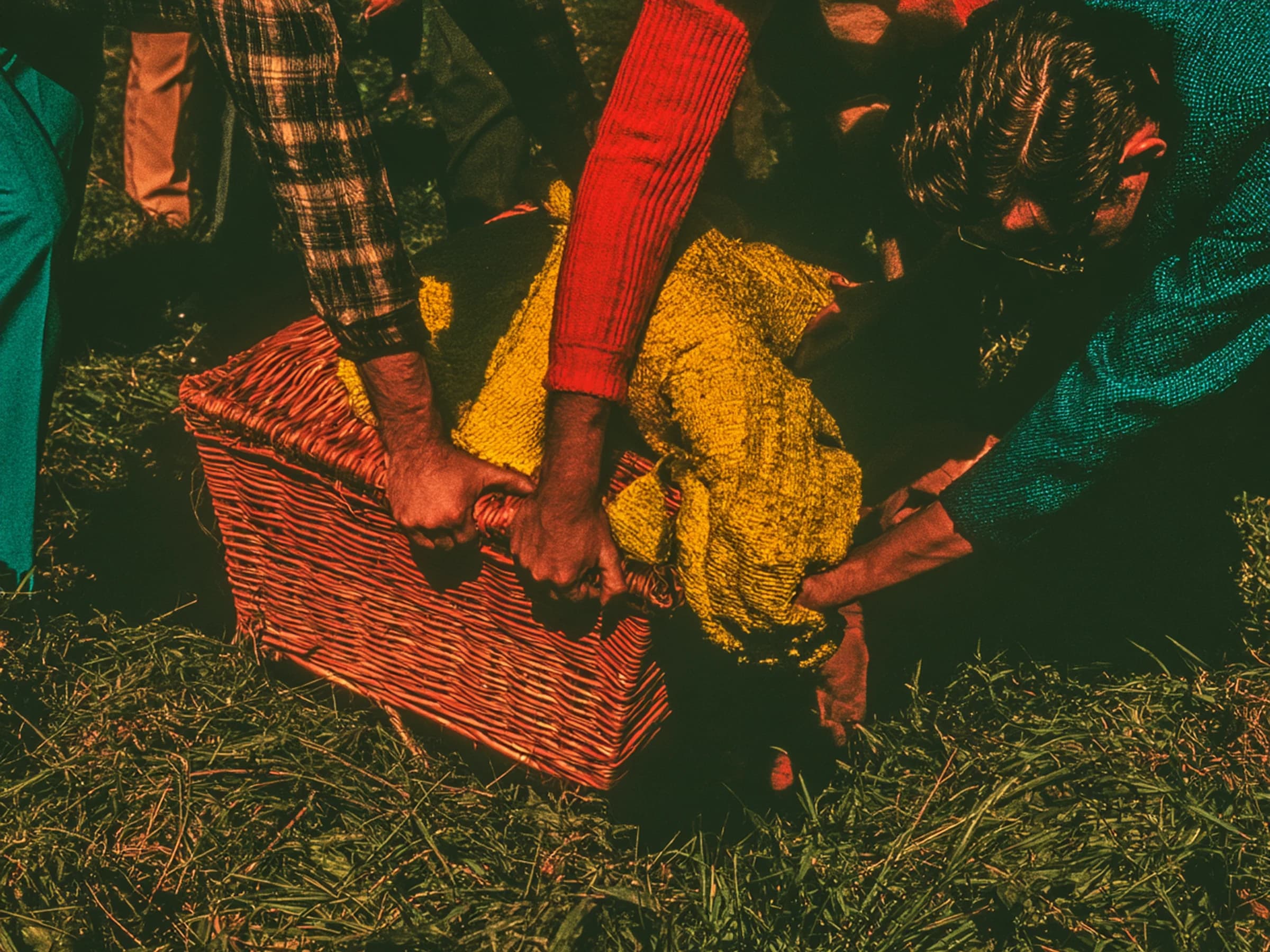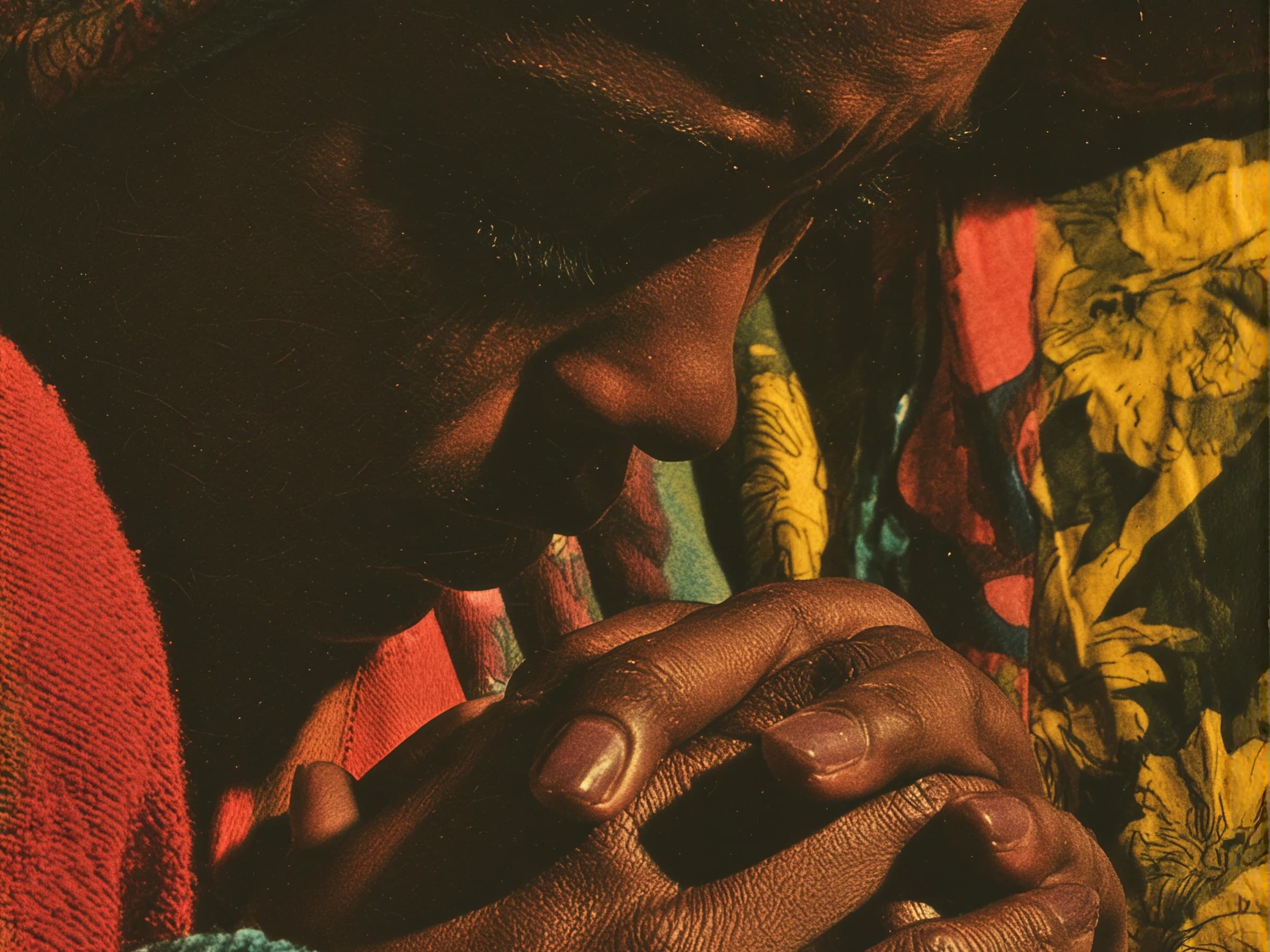

When someone you love is dying, there is still something you can do with your hands. Start in your kitchen. Lavender, rosemary, thyme and salt have sat in dying rooms for as long as there have been dying rooms, and you don't need special supplies or any experience to use them.
In nearly every culture that ever tended its own dying, someone came to the room with something green in their hands.
Plants at the deathbed were comfort care. They soothed a frightened body, carried remembrance, and marked the threshold between here and elsewhere.
In Italy, where my own roots run, she was the strega. Elsewhere she was the cunning woman, the curandera, the one who knew the plants and the words and the way. Not a figure of superstition. She was the village's first and last medicine, and when someone was crossing over, she was who you called. She came, and she brought the garden with her.
What Were Herbs Used for at the Deathbed?
We tend to file this under folklore: sweet, but empty. It wasn't. The plants she carried to the deathbed were doing real work, and much of it we can now explain.
Some calmed the body and the room, easing a frightened nervous system into something softer. Some carried remembrance, so old that we still hand it to the grieving without quite knowing why. Flowers at a funeral, rosemary for remembrance: same instinct, modern shape. And some marked the threshold itself, the thinning place between here and elsewhere, and helped both the dying and the living move through it with less fear.
She didn't have the vocabulary of compounds and receptors. She didn't need it. She watched, learned what eased a person at the end, and passed it down through the hands of daughters and granddaughters, often quietly, sometimes in secret. The ancestors were empirical observers of the sacred. They just didn't have our language for what they already knew.
The Village Herbalist Was the Original Death Doula
A few generations ago, we gave death to institutions, and the woman with the plants was quietly written out of the room. Not because the plants stopped working. They never did. We stopped remembering to reach for them, and we lost the thread of who to ask.
The thread is still there. Pull it, and it always leads to the same place: the garden, the kitchen, the bedside. The green things that have companioned the dying since long before any of us were named.
Plants Beside Care, Not Instead of It
Nothing here replaces hospice or medical care. The nurses, the doctors and the hospice team do work that no herb can do. The best comfort care uses all of it: the team and the garden. Plants ease and accompany. They work beside that care, in the room, with the family.
The hard part is turning that into something a family can do. They have a kitchen full of herbs and no way to make any of it feel deliberate, so it stays an idea instead of becoming an offering.