

Where did Grandma go?
Children’s Grief Awareness Day
Children will ask. Will you know what to say?
A free guide for parents, and a free family session with death doula Victoria Holmes on Wednesday, November 25 at 6pm EST.
- Where did Grandma go?
- Is Grandpa cold in there?
- When is Mommy coming back?
- Are you going to die too?
- Can I still talk to him?
1 in 11
American children lose a parent or sibling before they turn 18.
And that’s not counting children grieving a divorce, the loss of a pet, or other losses.
Source: Childhood Bereavement Estimation Model, Judi’s House/JAG Institute (2026)


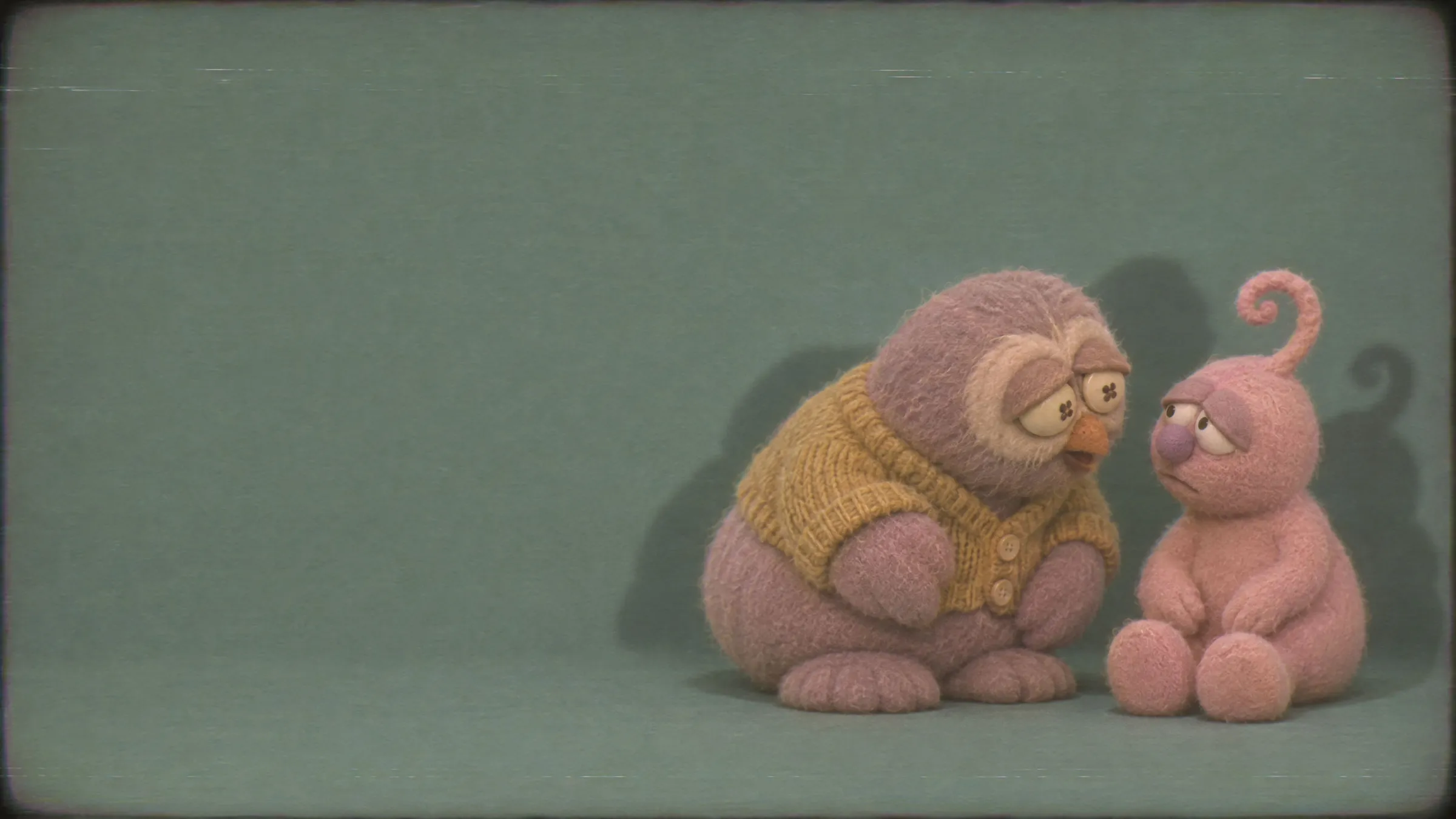



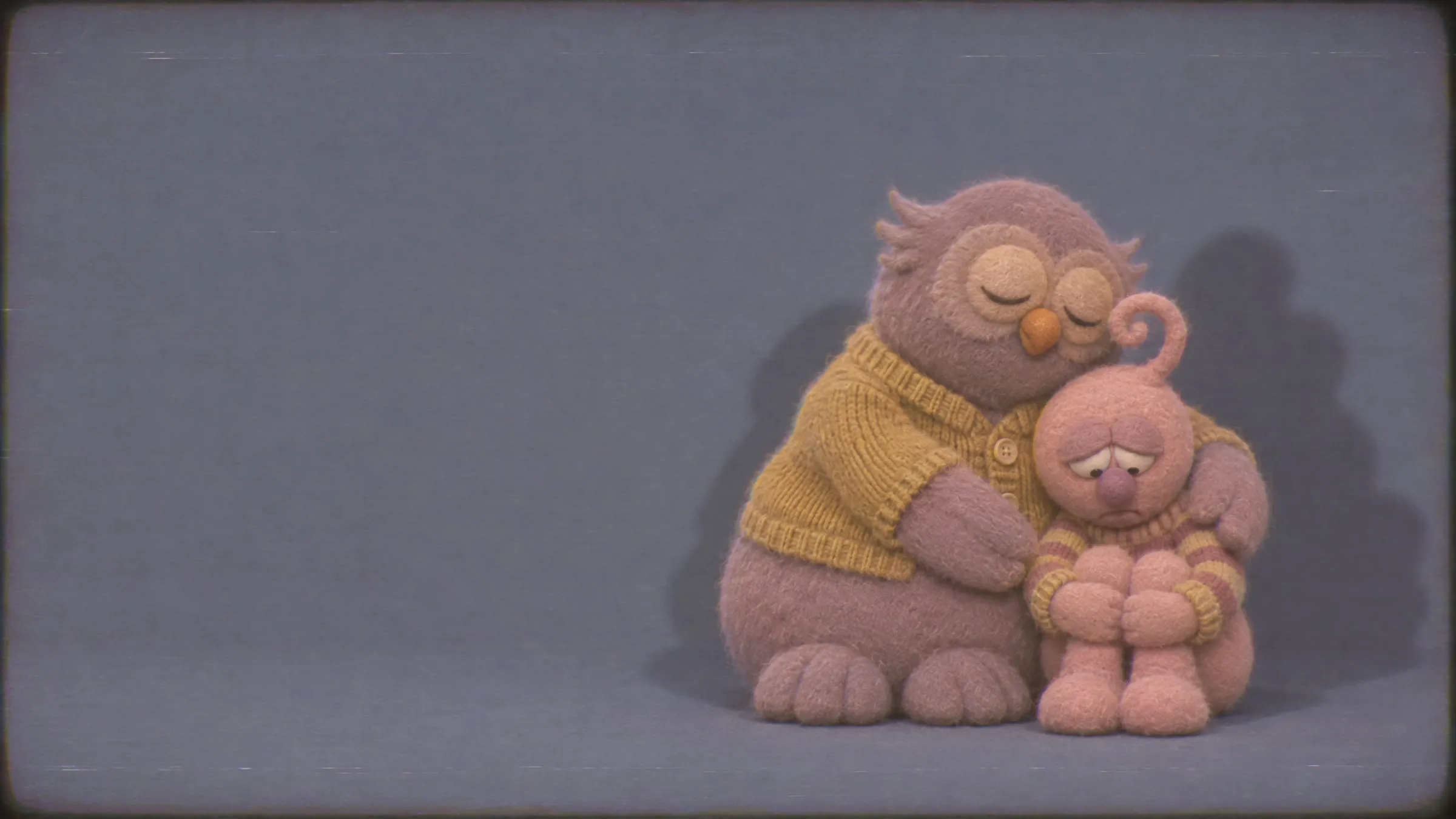

7 things to know before you talk to them
Use the real words.
Say “died” and “dead.” Phrases like “we lost Grandpa,” “she went to sleep” or “he passed” can confuse a child, or make them afraid of sleeping or getting lost.
Sources: The Dougy Center, Developmental Responses to Grief; American Academy of Pediatrics (HealthyChildren.org)
Want all of this on paper?
The free printable guide: what to say, what grief looks like at each age, and when to get help. Six pages, plus a memory page to fill in together.

Come and learn it together.
A free, one-time online group session for children and their parents, on Google Meet. Families put words to a loss together, at the children’s pace.
With Victoria Holmes
Birth & death doula
- Price
- Free
- When
- Wednesday, November 25, 6pm EST
- Format
- Online, on Google Meet
Apple or Outlook calendar (.ics)Join link: meet.google.com/nkk-ykai-mqw
What grief looks like at each age.
Under 5
Death may feel temporary.
- They may ask when the person is coming back, again and again.
- Grief often shows up as clinginess, tantrums, trouble sleeping, or going back to things they’d outgrown.
- Keep routines steady. Comfort through closeness more than words.
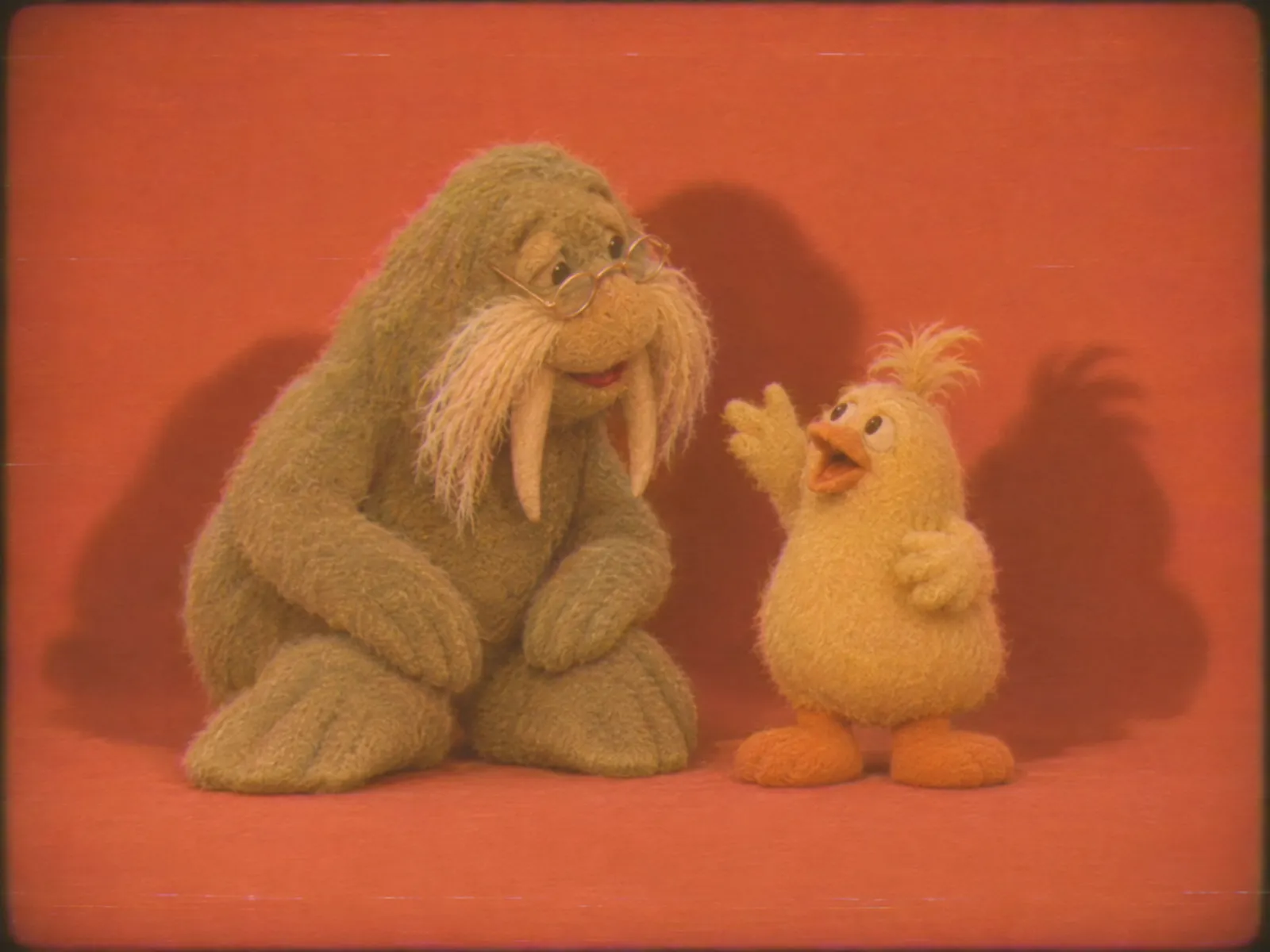
“Grandma died. That means her body stopped working, and she can’t come back. We’re going to miss her.”
5–8
Starting to grasp that it’s final.
- Lots of concrete questions about the body, the funeral, where the person is now.
- May worry about their own safety, or about losing you too.
- May believe they caused it. Reassure them directly.
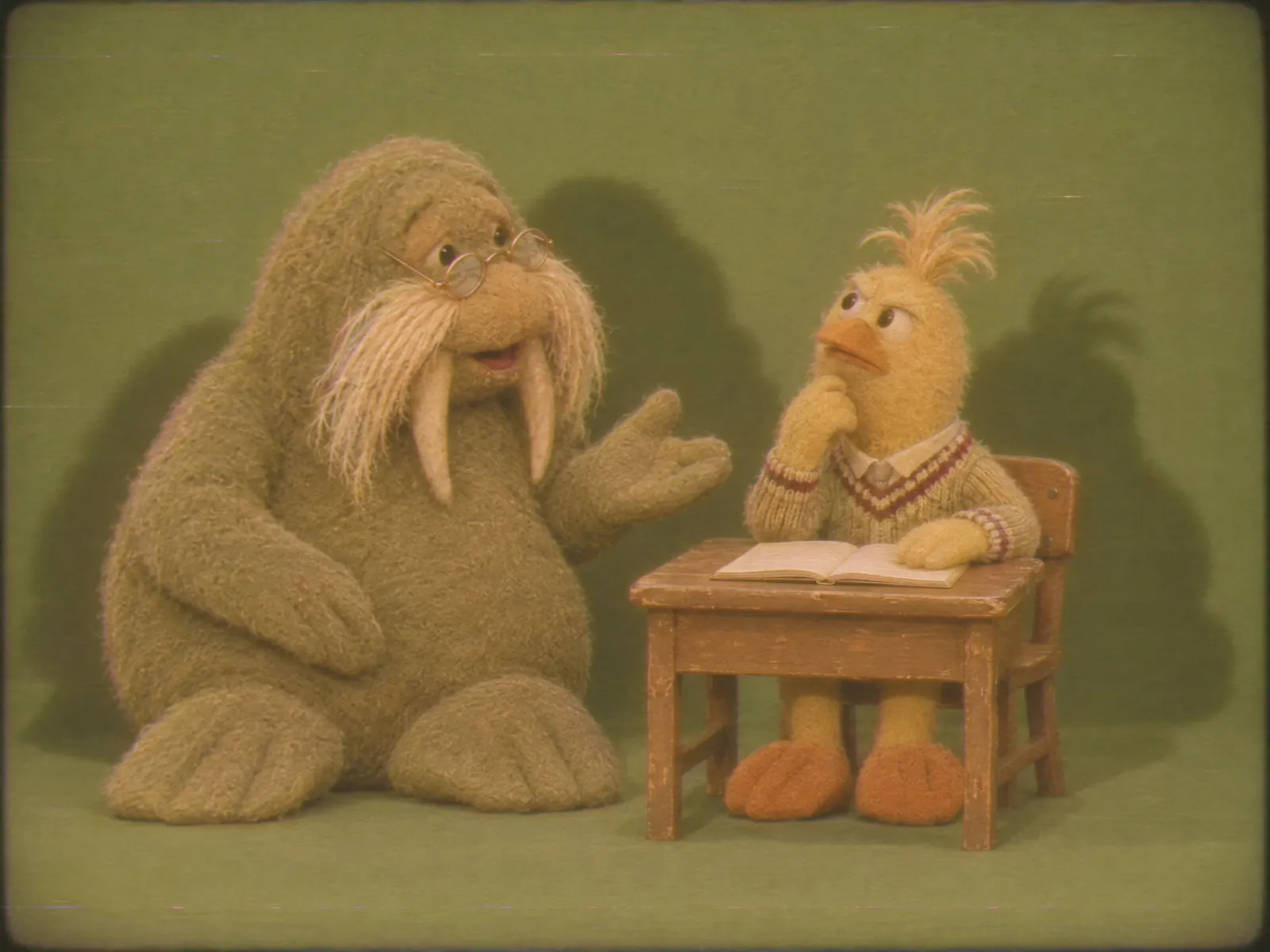
“I’m healthy, and I plan to be here for a very long time. If anything ever happened, you would be taken care of.”
9–12
Understands death, wants the facts.
- Wants to know how and why it happened.
- May pull back from friends, or keep their feelings to themselves.
- Grief can show up as trouble at school, stomach aches or headaches.
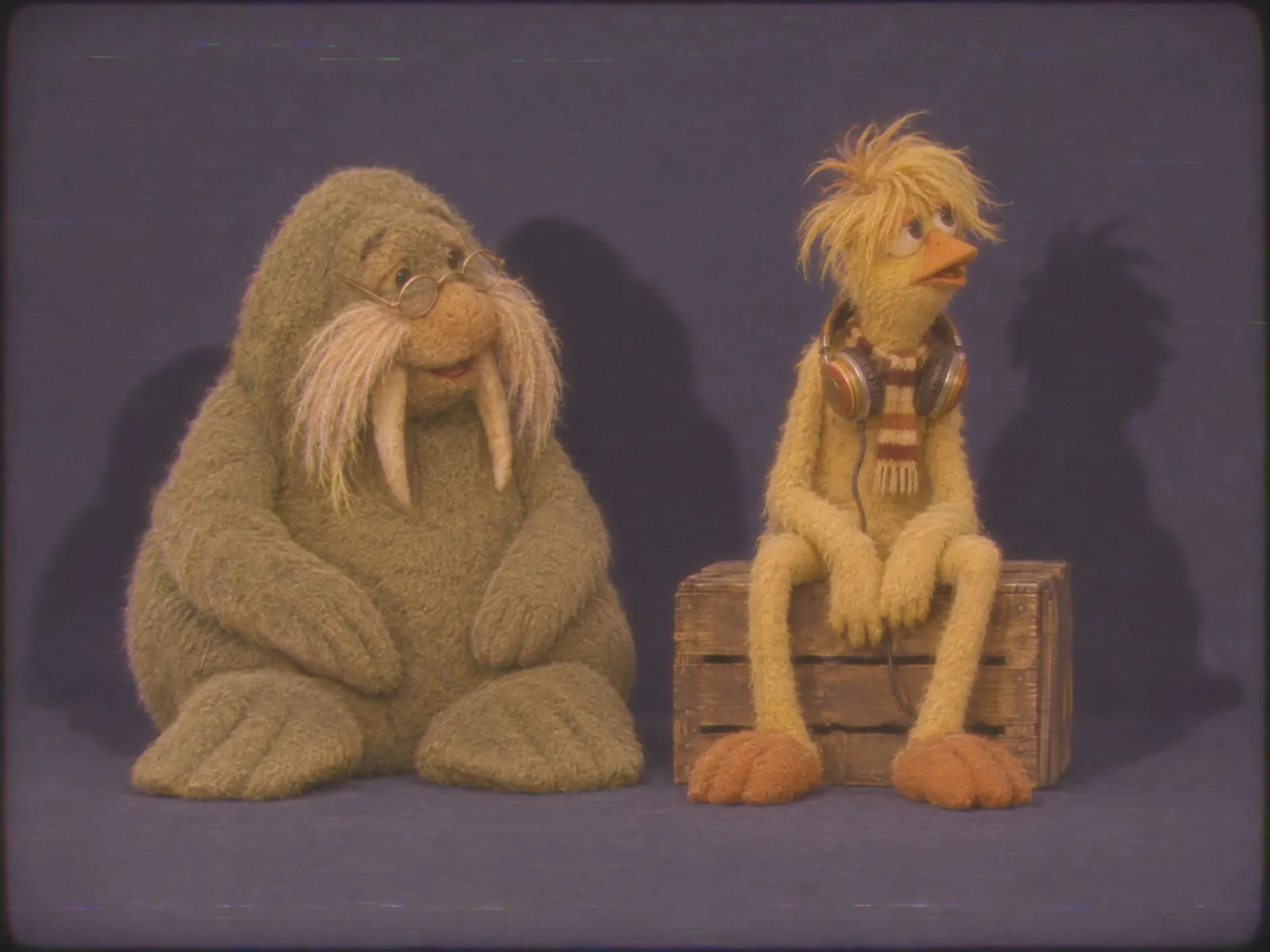
“You can ask me anything about what happened. I’ll tell you the truth.”
Teens
Grieves like an adult, often privately.
- May turn to friends rather than family.
- Mood swings, withdrawal or risk-taking can all be grief.
- Offer time together without pressure to talk: a drive, a walk, cooking.
“You don’t have to talk. I just want to be around you for a bit.”
Sources: The Dougy Center, Developmental Responses to Grief; American Academy of Pediatrics (HealthyChildren.org)
Not sure what to say?
The lines we reach for are well meant, but they end the conversation. Tap each one to swap it and earn a gold star.
My Words Chart★
Stars earned: 0 / 6
Tap a sad face to swap the line!
| Instead of… | Try saying… | Sticker |
|---|---|---|
| “You need to be strong.” | ||
| “They’re in a better place.” | ||
| “Everything happens for a reason.” | ||
| “Don’t cry.” | ||
| “Shouldn’t you be over grieving by now?” | ||
| “I know how you feel.” |
Where is your child right now?
Grief Check-In
Grief is hard work for a child. A school counselor or your child’s doctor can help you keep an eye on how they’re doing, even when things look OK.
Sources: National Child Traumatic Stress Network; The Dougy Center, Developmental Responses to Grief; 988 Suicide & Crisis Lifeline
Otherside Life provides education and coordination only. Not medical or mental health advice. If you or a child are in crisis, call or text 988 in the US.