
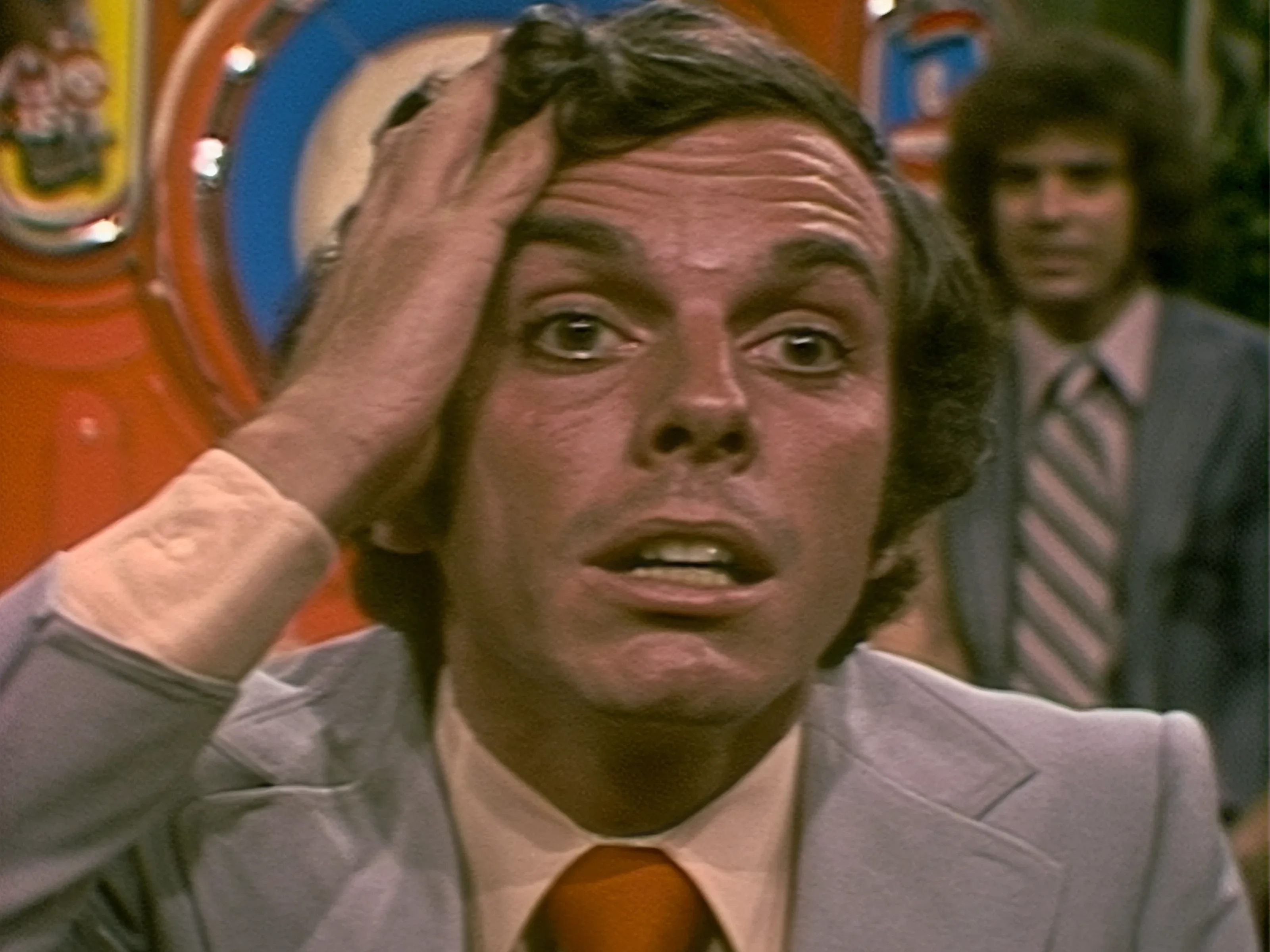
Sudden loss — death from an accident, heart attack, suicide, overdose, or violence — creates a grief experience distinct from anticipated death. Here's what makes it different, and how to find support.
Why Sudden Loss Hits Differently
When death comes without warning, there is no chance for preparation or goodbye. The shock can create a traumatic response layered on top of grief, including intrusive memories, hypervigilance, and difficulty accepting the reality of the death.
Traumatic Grief vs. Complicated Grief
Traumatic grief involves both trauma symptoms (consistent with PTSD) and grief symptoms. It requires trauma-informed treatment — not just standard grief counseling. Look for therapists with training in both bereavement and trauma.
Finding Support After Sudden Loss
- Alliance of Hope — for suicide loss survivors
- MADD (Mothers Against Drunk Driving) — for families affected by drunk driving
- American Foundation for Suicide Prevention — loss survivors program
- Trauma Survivors Network — for families affected by traumatic injury and death
Long-Term Coping
Sudden loss survivors often report that the hardest period comes months after the death, when the shock has worn off but the support has diminished. Building a consistent support structure early — therapy, groups, and trusted people — helps sustain you through this later phase.