
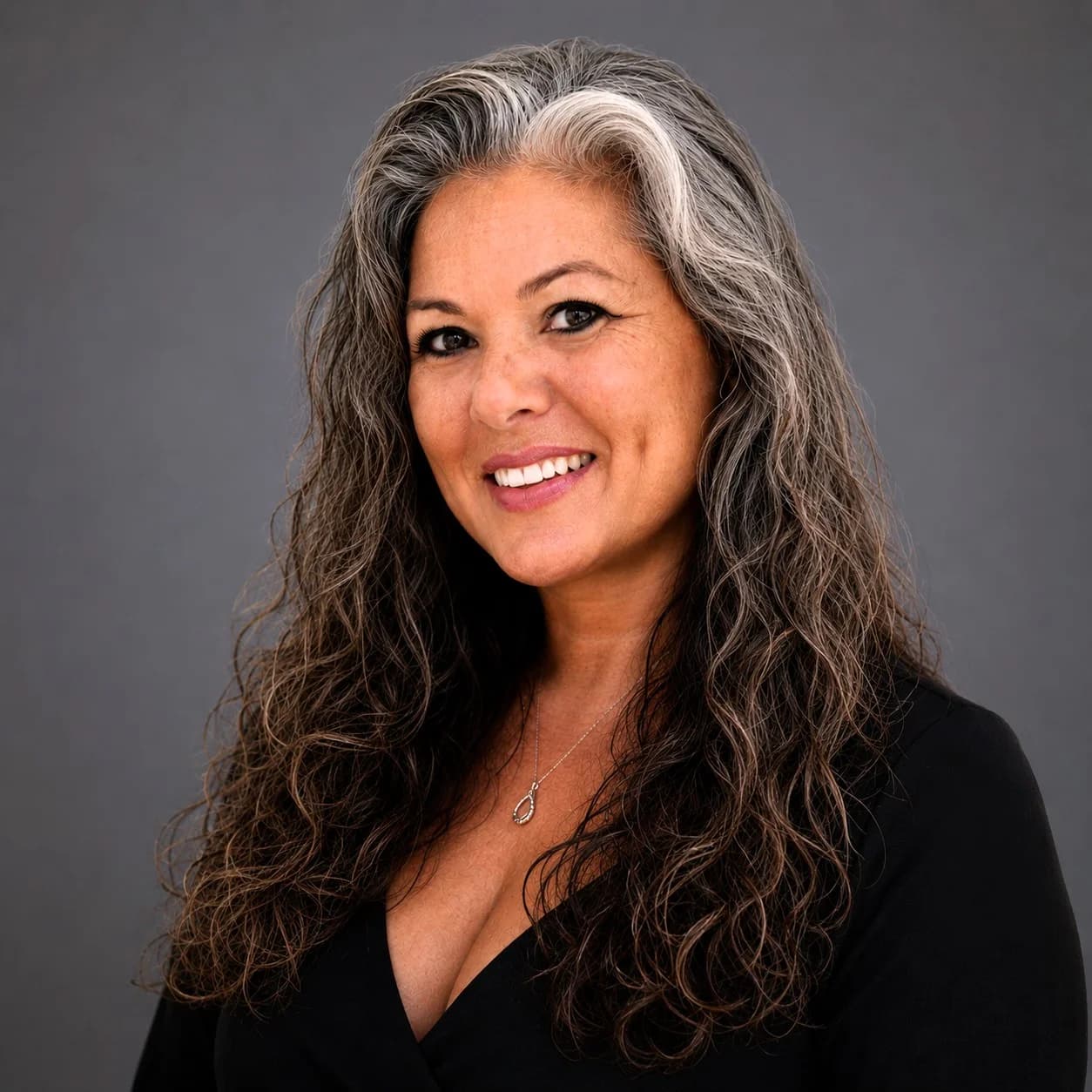
For fifteen years, Marissa Overcash sat across the table from families in the worst weeks of their lives — as a corporate paralegal specializing in estate planning. She watched attorneys do excellent work on the procedural side of a death or a diagnosis: wills, powers of attorney, trusts, the documents that make a transition legally sound.
And she watched the same families walk out of those meetings still carrying something none of that paperwork touched: the grief, the fear, the identity crisis that shows up when someone is dying, or has died, or has just been told a diagnosis that changes everything.
The Space Between Legal and Emotional Support
That gap — between what a legal appointment covers and what a family actually needs — is where her work now lives. Not practicing law, and not a replacement for therapy, but the space around both: supporting people through serious illness, disability, caregiving burden, anticipatory grief, end-of-life planning, family conflict, and loss recovery, alongside whatever legal and medical process is already underway.
Falling Through the Gap
The families most likely to struggle aren't the ones without a good attorney or a good hospice team. They're the ones who have both, and still fall through the gap between a legal appointment and a therapy session — the parts of dying and grieving that don't fit neatly into either professional's scope, and so often don't get addressed by anyone.
Why a Legal Background Changes the Support
Years spent inside estate planning gave Marissa a specific, practical fluency: she can sit with a family's fear about probate or a power of attorney without flinching, because she has actually done that work, while also holding the emotional weight of what those documents represent. That combination — legal literacy and grief support in the same person — is part of what her practice as a death doula and grief coach now offers.
What Collaborative Care Actually Looks Like
The strongest version of end-of-life support isn't any one professional doing everything. It's estate planning attorneys, healthcare providers, hospice teams, and grief support working in the same direction instead of in separate rooms — so a family's paperwork, their medical care, and their emotional reality get handled together rather than handed off with no one connecting them.
Legal documents were always a means to an end: making sure the people left behind are provided for, so they have room to actually grieve instead of scrambling. Marissa Overcash brings that same principle to every family she works with now.