
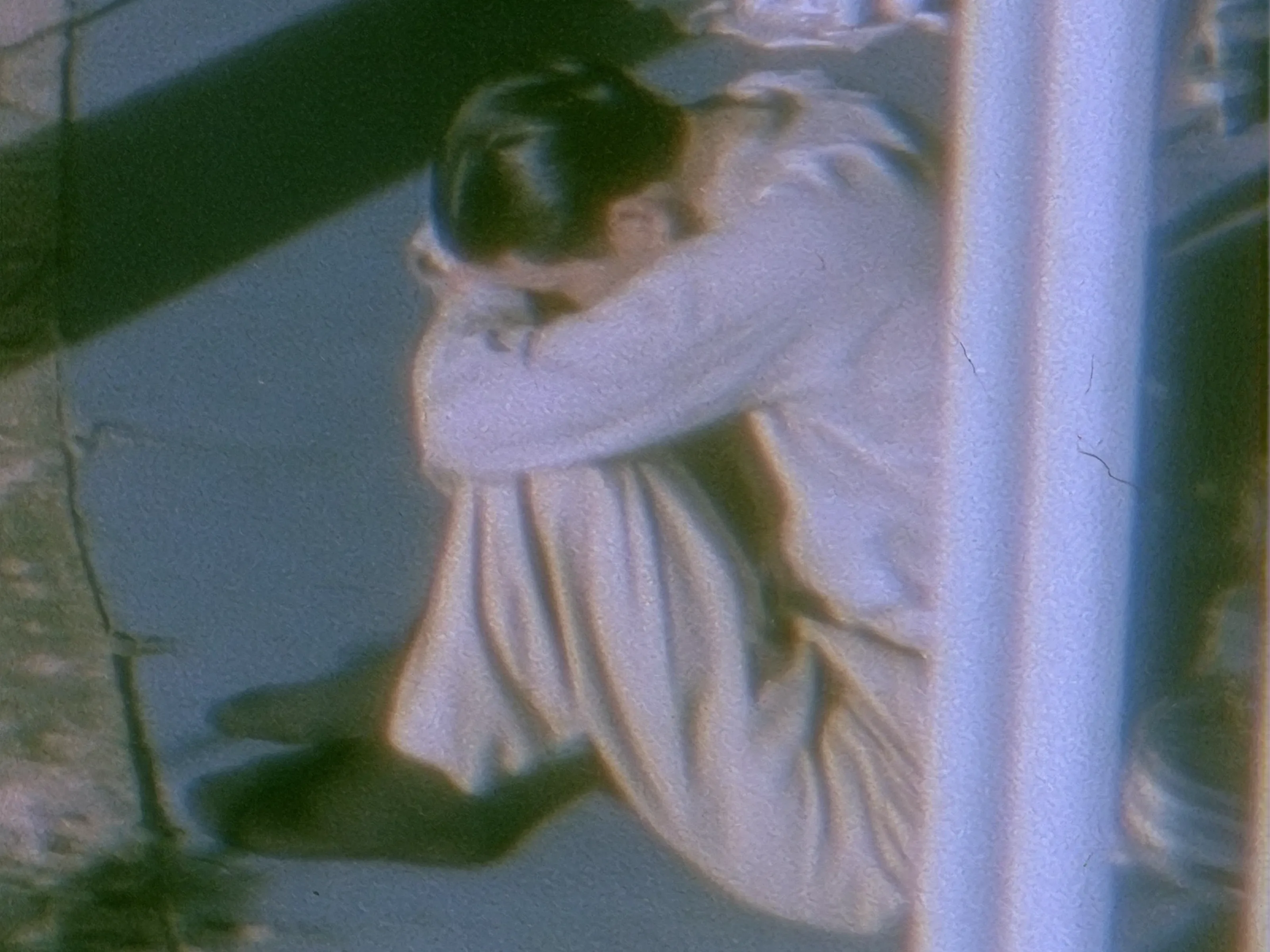
Disenfranchised grief is grief that is not openly acknowledged or publicly mourned — because the relationship, the death, or the griever is not socially recognized as warranting grief. The result is often isolation, shame, and prolonged suffering.
What Is Disenfranchised Grief?
The term was coined by researcher Kenneth Doka to describe grief that "persons experience when they incur a loss that is not or cannot be openly acknowledged, publicly mourned, or socially supported." The loss is real; the social permission to grieve it is absent or contested.
Common Types of Disenfranchised Loss
- Loss of a pet
- Pregnancy loss, miscarriage, or infertility
- Loss of an ex-partner or estranged family member
- Death by suicide, overdose, or other stigmatized causes
- Loss of a non-romantic relationship (mentor, close friend, therapist)
- Grief of caregivers for a living person with dementia
The Impact of Unacknowledged Grief
When your grief isn't validated, you can internalize the message that your loss doesn't matter — which compounds suffering. Disenfranchised grief is associated with higher rates of complicated grief, depression, and social isolation.
Finding Support
Online communities often provide the validation that in-person environments don't. Specialized grief groups for pregnancy loss, pet loss, suicide loss, and other specific losses offer the experience of being fully understood. A grief counselor familiar with disenfranchised grief can also provide significant relief.