
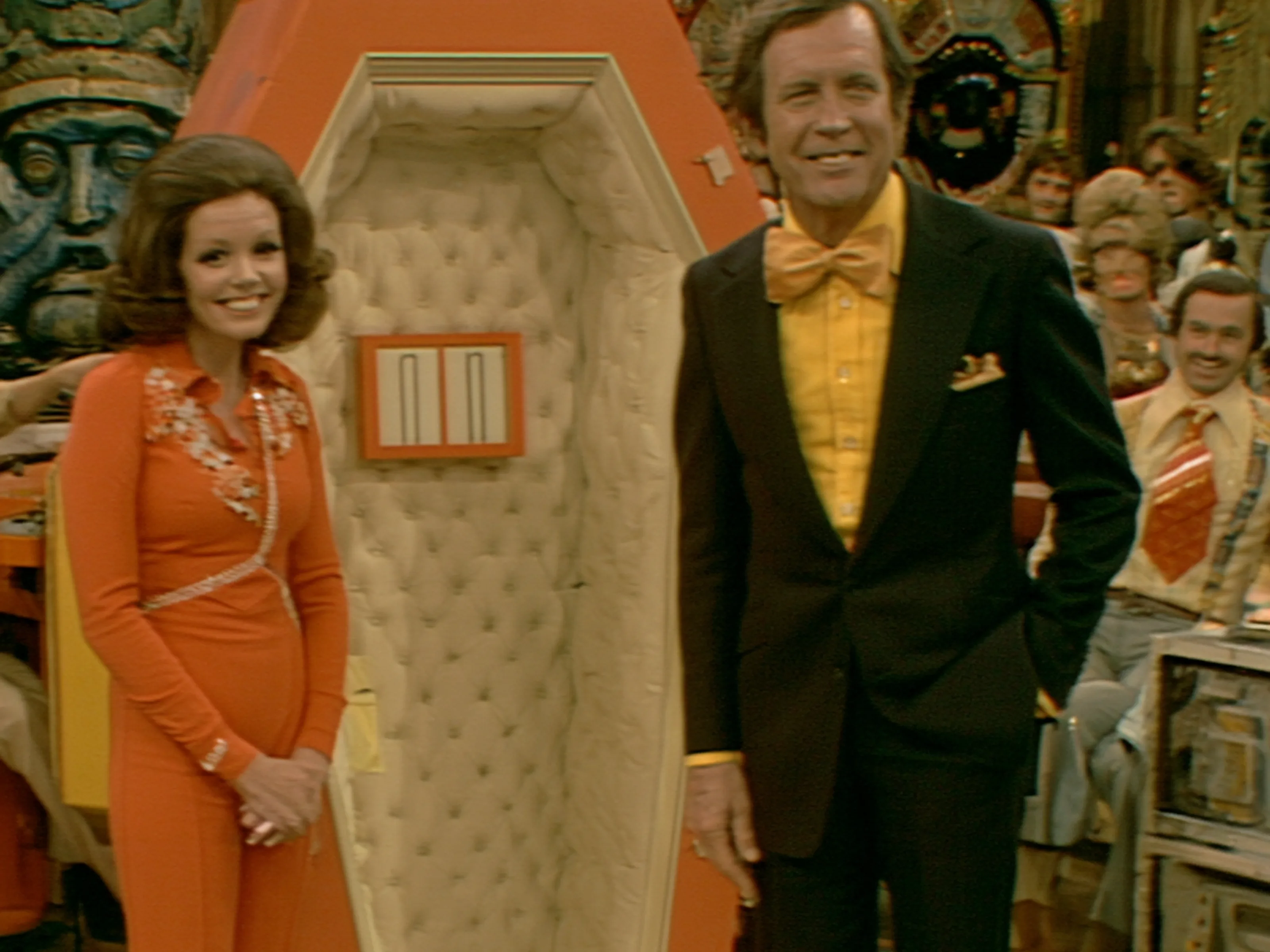
The death positive movement is a cultural shift reshaping how Americans think about, talk about, and prepare for death. Here's what it is, where it came from, and why it matters.
What Is Death Positivity?
Death positivity does not mean being happy about death or minimizing its pain. It means refusing to treat death as a taboo subject — and instead engaging with mortality openly, thoughtfully, and on your own terms. At its core, it's an argument that death literacy benefits both the dying and the living.
A Brief History
The modern death positive movement is often traced to Caitlin Doughty, a mortician who founded the Order of the Good Death in 2011 and later wrote several bestselling books on death and funeral practices. Her work built on earlier movements including the hospice movement, natural burial advocacy, and the work of Elisabeth Kübler-Ross.
Core Beliefs
- Awareness of death enhances rather than diminishes life.
- Talking about death reduces fear, not the other way around.
- People should have agency over their dying process and after-death care.
- The funeral industry should serve the bereaved, not exploit them.
- Grief is normal and should be socially supported, not hidden.
The Critics
Some critics argue that death positivity can minimize the genuine trauma of loss and death, or that it represents a privilege accessible mainly to the healthy and affluent. Others, from religious traditions, find the framework at odds with their beliefs about death and resurrection. These tensions are worth engaging honestly.
How to Engage With Death Positivity
You don't have to join a movement to benefit from its ideas. Start with a death planning checklist, have a conversation with your family about your wishes, or read a book about death and dying. The goal is simply a more honest relationship with the inevitable.