
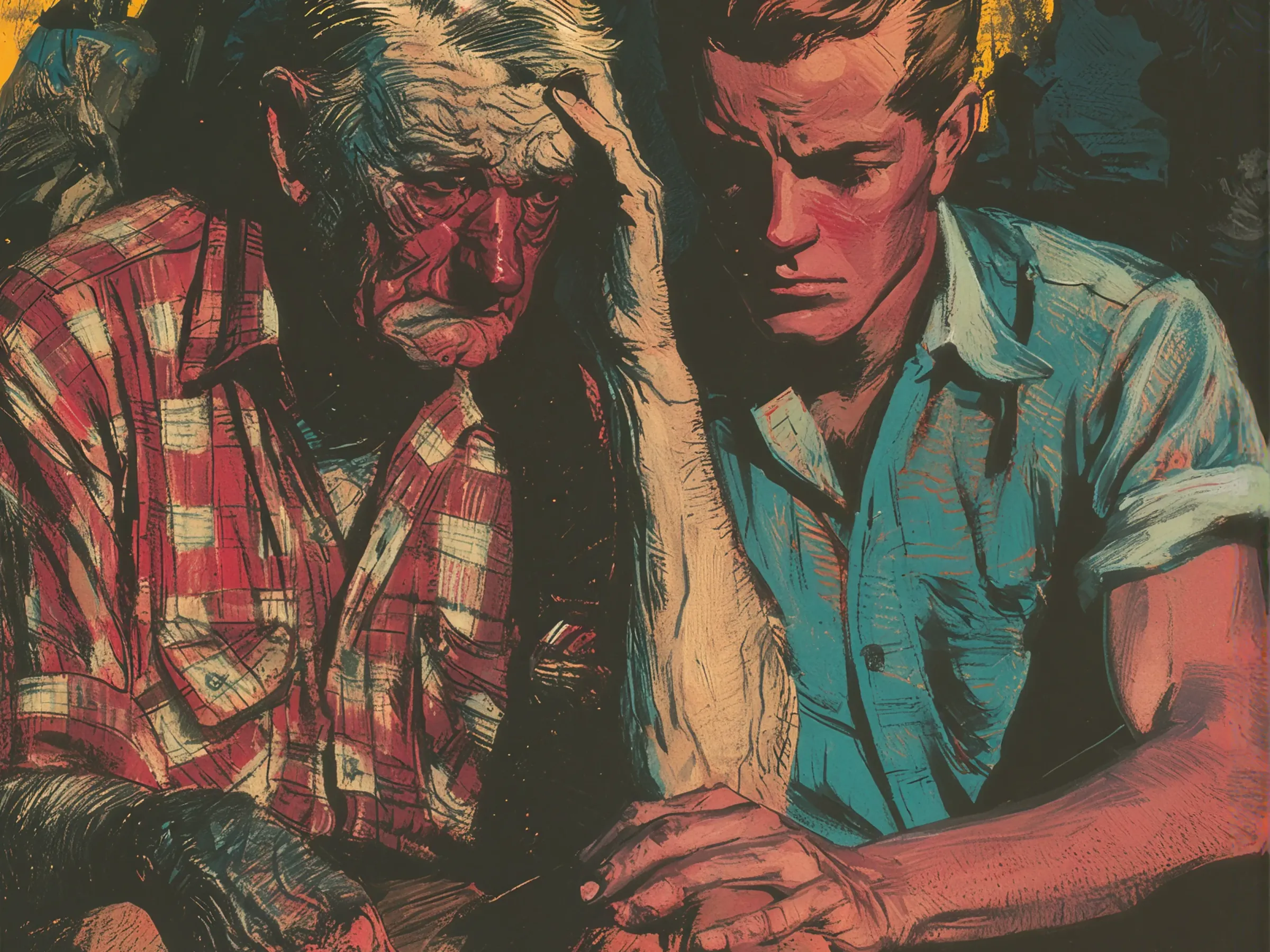
Most bereaved people naturally adapt to their loss over time. For some, grief does not ease — it intensifies and becomes all-consuming. This is Complicated Grief Disorder (also called Prolonged Grief Disorder), a clinically recognized condition with effective treatment.
What Is Complicated Grief Disorder?
Complicated Grief Disorder (CGD), now formally recognized as Prolonged Grief Disorder (PGD) in the DSM-5-TR, is characterized by grief that remains intense, persistent, and disabling 12 months or more after a loss (6 months for children). It affects an estimated 7–10% of bereaved people.
Complicated Grief vs. Normal Bereavement
- In normal grief, intensity typically eases over months; in CGD, it does not.
- Normal grief allows for positive emotions and functioning; CGD does not.
- In CGD, the bereaved may be unable to accept the reality of the death.
- Intrusive thoughts about the deceased are more persistent and disruptive in CGD.
Risk Factors
- Sudden, traumatic, or violent death
- Loss of a child or spouse
- Pre-existing mental health conditions
- Lack of social support
- Highly dependent or ambivalent relationship with the deceased
Treatment
Complicated Grief Treatment (CGT), developed at Columbia University, is the most evidence-based treatment for CGD. It combines exposure-based techniques with grief processing and typically involves 16 weekly sessions. CGT has shown significantly better outcomes than standard depression treatment for this condition.